


Project Title: Firmware and Prototype Development
Introduction
Firmware and Prototype Development plays a critical role in bringing hardware concepts to life. It bridges the gap between electronic components and mechanical design by enabling intelligent control, automation, and real-time response. Well-structured firmware ensures smooth operation, reliability, and optimal performance of the final product.
Project Overview
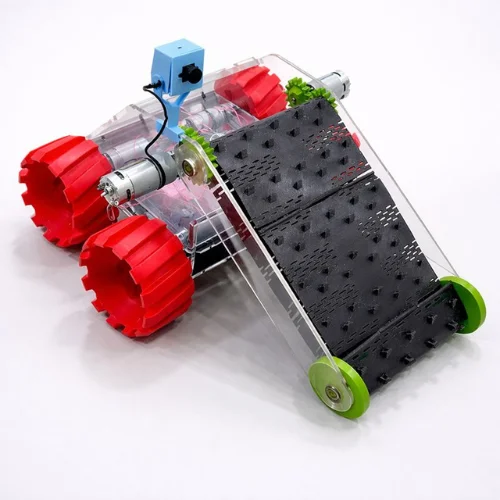
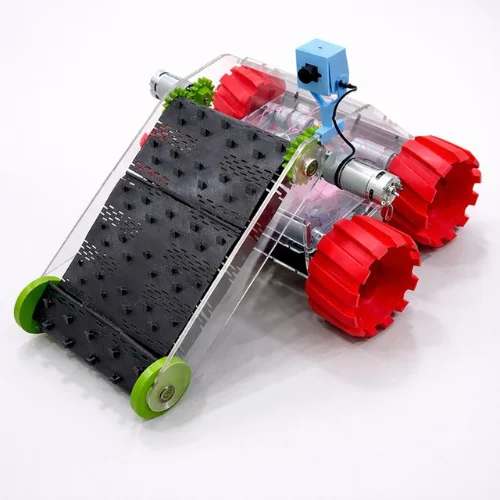
This project focuses on developing robust firmware and fully functional hardware prototypes for electromechanical systems. The firmware is designed to control motors, sensors, and actuators while ensuring efficient power management and precise movement. Prototypes are built to validate functionality, test real-world performance, and refine the overall design before final manufacturing.
Features and Specifications
- Embedded Firmware Development: Custom firmware written for microcontrollers to control system behavior.
- Motor and Sensor Control: Accurate control of motors, encoders, and sensors for smooth operation.
- Real-Time Testing: Continuous testing and debugging during prototype development.
- Hardware–Software Integration: Seamless communication between firmware and electronic components.
- Power Management: Optimized power usage for efficiency and safety.
Development Process
The development process begins with defining system requirements and selecting appropriate hardware components. Firmware is then programmed, tested, and optimized to ensure reliable operation. Prototypes are assembled to evaluate mechanical strength, motion accuracy, and system stability. Feedback from testing is used to improve both firmware logic and hardware design.